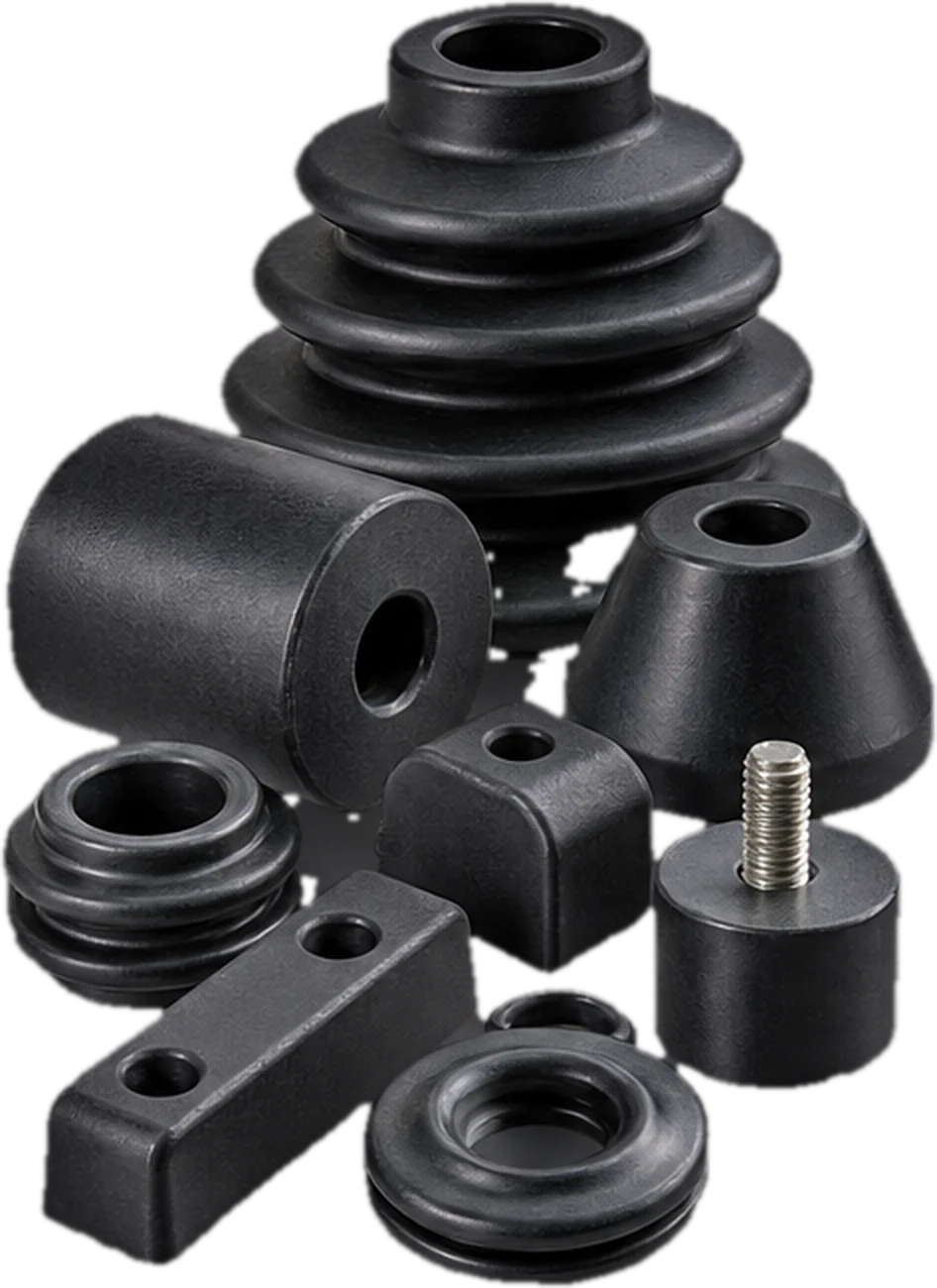
Custom rubber
Moulded rubber parts and simple rubber-to-metal components.
- Feet & buffers
- Grommets & plugs
- Grips & covers
- Boots & bellows
We find and compare alternative manufacturing sources for the custom components you already buy.
Rubber · Moulded plastics · Metal components
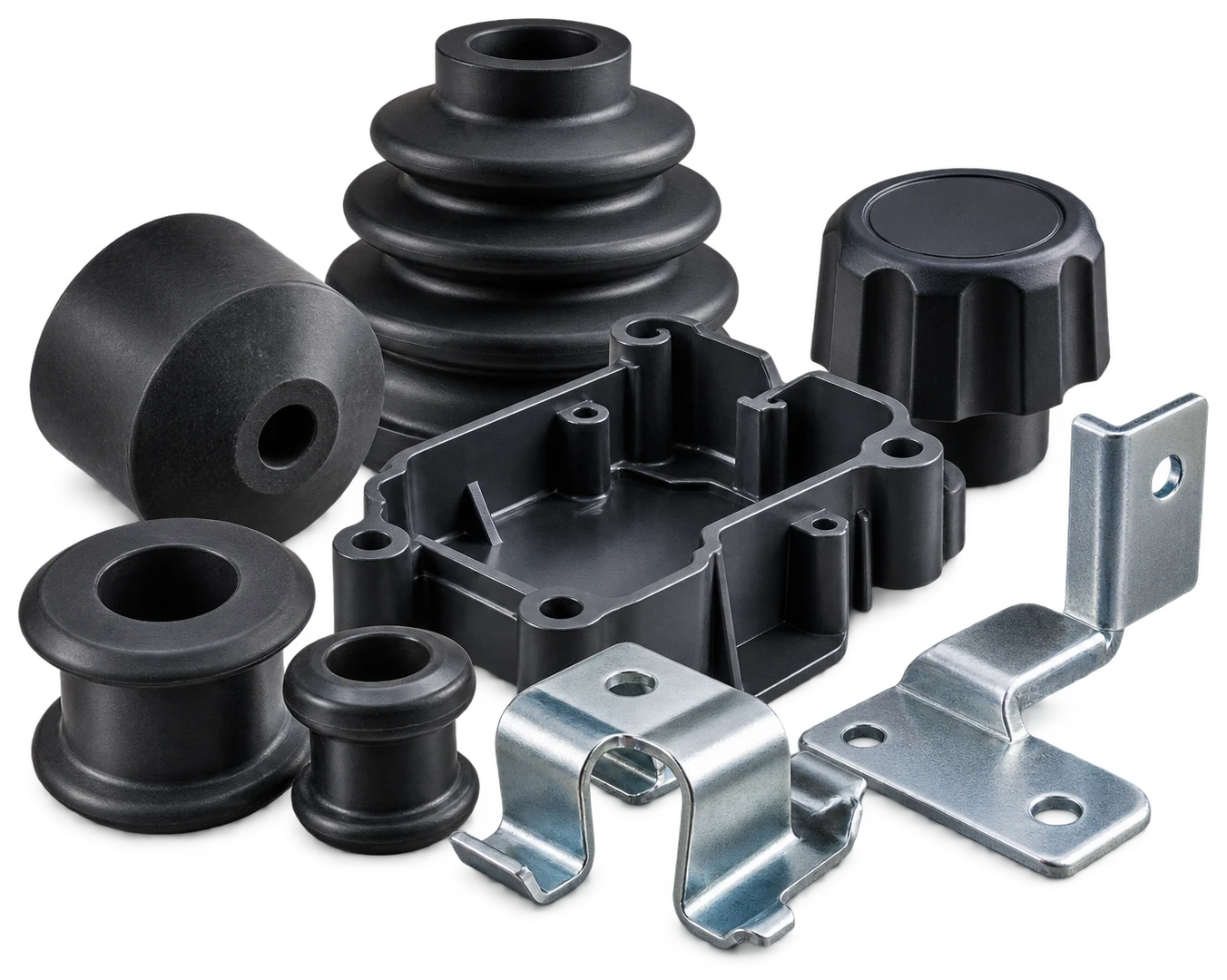
Your existing supplier may already be doing a perfectly good job.
Give us one recurring component and let us see whether there is another commercially worthwhile manufacturing option.
Custom components made to your drawing or specification.
Moulded rubber parts and simple rubber-to-metal components.
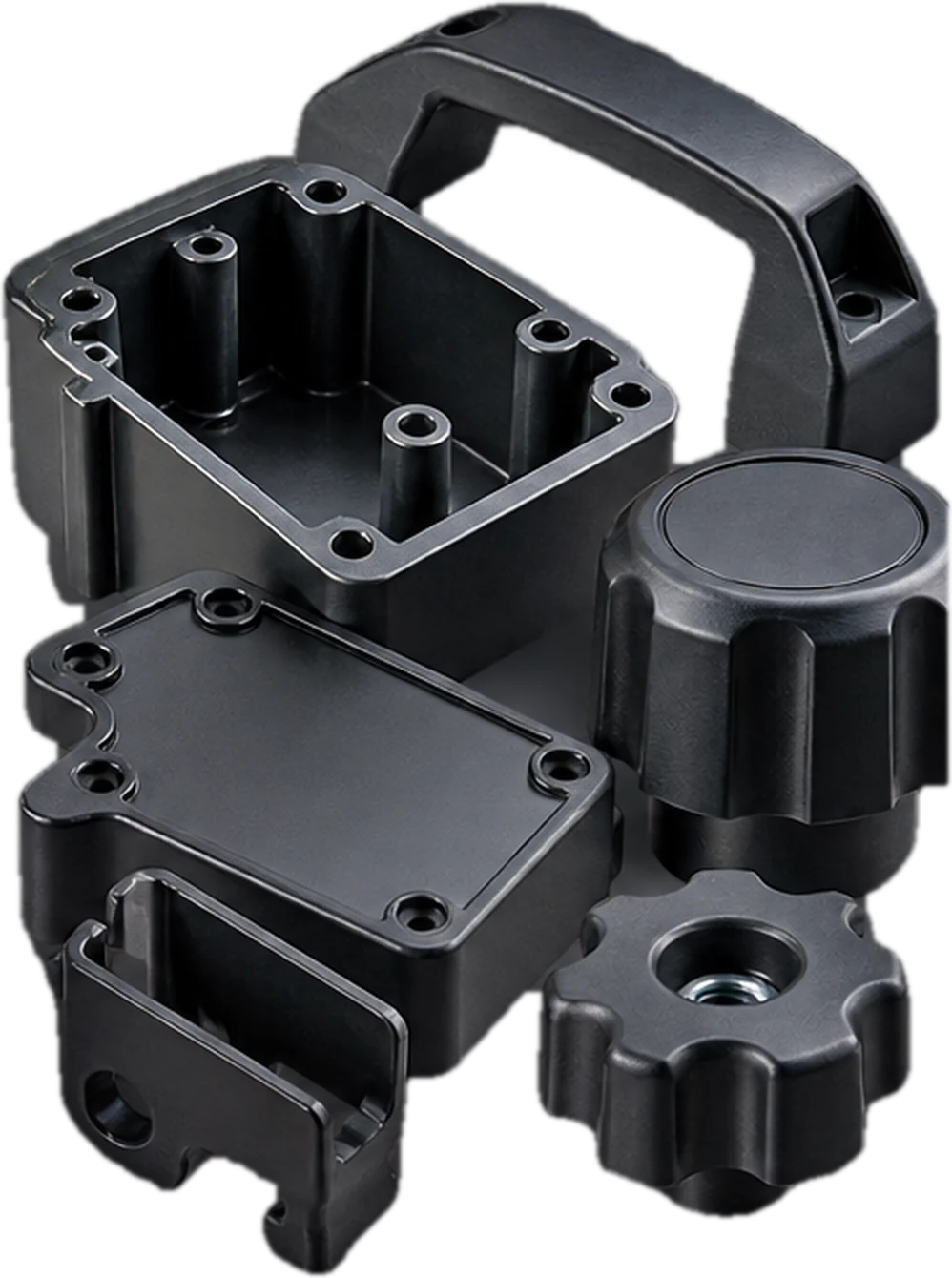
Custom injection-moulded components.
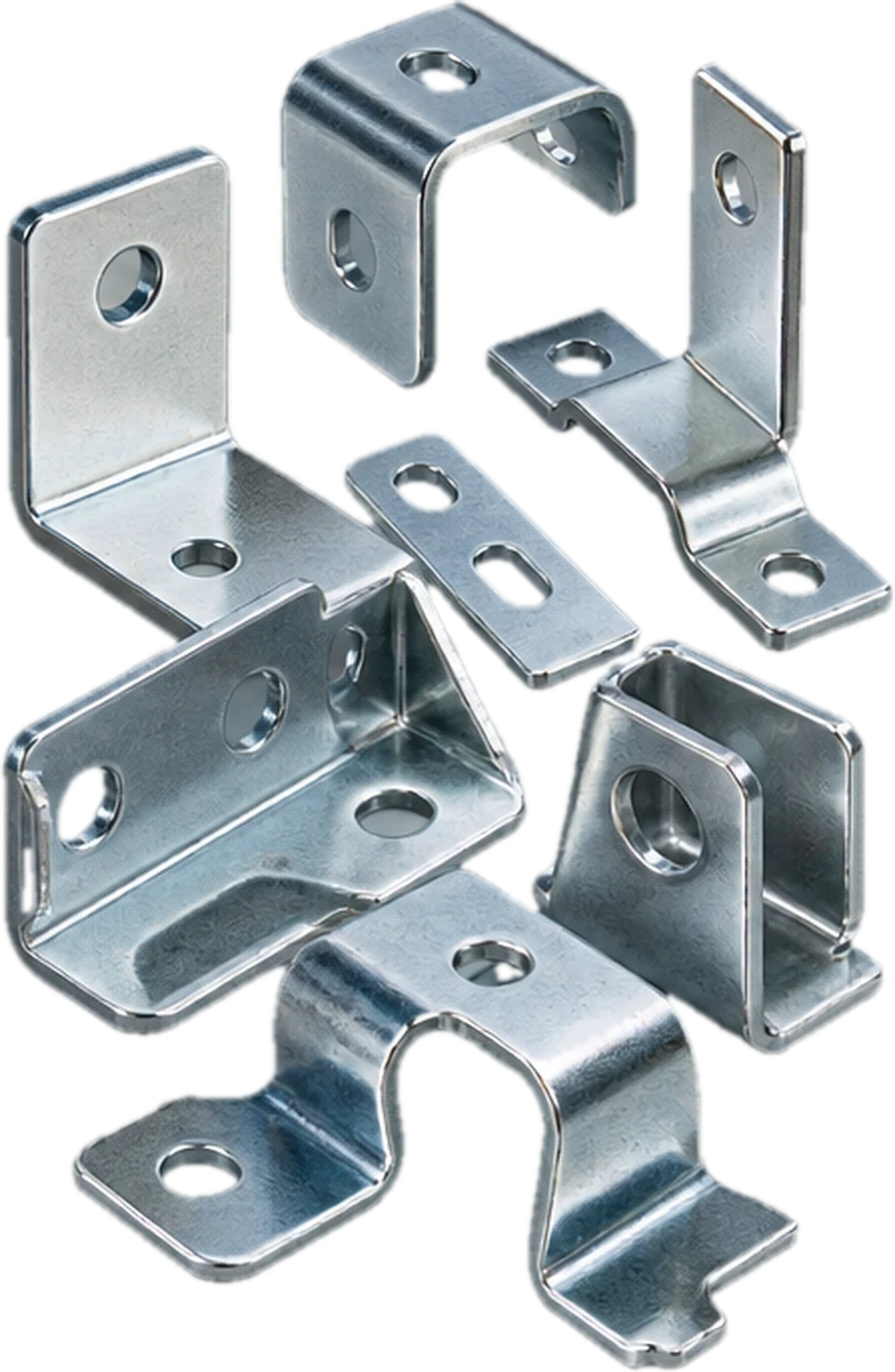
Pressings and simple formed components.
Images are illustrative of component types.
Drawing, specification or sample, with approximate annual usage and typical order quantity.
We identify suitable manufacturers and compare the commercial and technical fit.
If there is a worthwhile alternative, we take it further. If not, nothing changes.
From your requirement to suitable manufacturing options.
Francis Weybridge is an independent sourcing and supply business. Manufacturing is carried out by selected production partners in the UK and internationally.
Manufacturers suited to the part.
Cost, order quantity, lead time and tooling.
Samples against your drawing or specification.
Tooling, samples and production with the manufacturer.
Clear answers about what we source, how the process works and how new manufacturing sources are assessed.
Francis Weybridge sources recurring custom components manufactured to a customer’s drawing, specification or approved sample. Our initial focus is custom moulded rubber components, injection-moulded plastic components and simple metal pressings and formed parts.
Typical requirements include moulded rubber feet, buffers, bump stops, grommets, plugs, grips, covers, pads, boots, bellows and simple rubber-to-metal components. Suitability depends on the application, material, specification and required quantity.
We source custom injection-moulded engineering plastic components including housings, covers, caps, knobs, handles, guides, guards, spacers and similar production parts manufactured to customer specifications.
We source relatively simple metal components including pressings, brackets, clips, retainers, plates, tabs and formed parts. Depending on quantity and geometry, we may compare different manufacturing processes rather than assume stamping is the most economical option.
Our main focus is recurring custom production components rather than general catalogue products or one-off consumer purchases.
You provide the component requirement, normally using a drawing, specification or sample. We establish the expected quantities and important commercial or technical requirements, identify suitable manufacturers, compare the options and present worthwhile alternatives.
Ideally we need a drawing or specification, approximate annual usage and typical order quantity. Depending on the component, we may also need material, hardness, tolerances, finish, colour, testing requirements, existing tooling information or an approved physical sample.
Potentially. Some manufacturers can work from physical samples, although a controlled drawing or specification is preferable for ensuring that the required component is clearly defined and repeatable.
Francis Weybridge considers suitable manufacturers in the UK and internationally. We do not automatically assume that overseas production is cheaper or more appropriate. The objective is to identify the manufacturing source that offers the right combination of cost, capability, order quantity, lead time and supply reliability for the requirement.
No. Unit price is only one consideration. Tooling, minimum order quantity, freight, lead time, quality requirements, payment terms and the overall suitability of the manufacturer can materially affect the commercial result.
No. Francis Weybridge can search for an alternative manufacturing source while you continue buying from your existing supplier. You only need to consider changing or allocating business if the alternative is commercially and technically worthwhile.
Second sourcing means identifying and qualifying an additional manufacturer for a component that is already being purchased. It can provide an alternative on cost, capacity, lead time or order quantity and can reduce dependence on a single manufacturing source.
Yes. A recurring component can be assessed against alternative manufacturing options. Where appropriate, we compare unit cost together with tooling, minimum order quantities, lead times and other relevant commercial factors.
Yes. An alternative source does not necessarily have to replace an incumbent supplier. Depending on the requirement, it can provide additional capacity, commercial leverage or supply-chain resilience.
Supplier suitability is considered against the requirements of the individual component. Depending on the project, this can include manufacturing capability, relevant quality systems, material requirements, samples, dimensional checks, inspection documentation and production experience.
For custom components, sample or prototype approval would normally take place before committing to full production where appropriate. The exact approval process depends on the component and its application.
Quality requirements should be defined against the customer’s drawing or specification rather than relying solely on a supplier’s general assurances. Appropriate controls may include approved samples, critical dimensions, material specifications, inspection requirements and pre-shipment checks.
Where a project requires a particular quality management certification or manufacturing standard, this can form part of the supplier-selection criteria. Certification requirements should be established before sourcing begins.
Francis Weybridge assesses opportunities individually. Our initial focus is conventional, non-safety-critical industrial components. Components involving significant safety, regulatory or product-liability requirements require appropriate technical, regulatory and quality controls and may fall outside the scope of a particular sourcing project.
Francis Weybridge focuses on recurring B2B production requirements. Suitable quantities vary considerably by manufacturing process and component. Some requirements may be economical in hundreds of pieces, while others require several thousand or more to justify tooling and production setup.
Tooling arrangements depend on the project and manufacturer. Where new tooling is required, its cost, ownership, expected life and any relevant storage or transfer arrangements should be agreed before an order is placed.
Yes. Repeat production is the core focus of the Francis Weybridge model. Once a component and manufacturing source have been successfully qualified, subsequent requirements can be coordinated with the selected supplier.
Nothing needs to change. If the available alternatives do not offer a worthwhile commercial or supply advantage, there is no reason to move the component.
Francis Weybridge is a sourcing and supply business. The appropriate commercial arrangement can depend on the component, manufacturer, customer and destination. Manufacturing itself is carried out by selected production partners rather than by Francis Weybridge.
Have something you buy regularly?Let us see what else is possible.